

Logistics
Logistics is an indispensable sector of the economy and the backbone of modern society. In Germany, it plays a key role, as the country ranks among Europe’s leading economic centres. With first-class infrastructure, efficient transport systems and innovative logistics companies, Germany ensures that goods reach consumers quickly and reliably from manufacturers. This strengthens not only the domestic economy but also international trade.
In Europe, logistics drives the single market forward. Well-developed transport routes — roads, rail and ports — facilitate the exchange of goods between countries. The industry works tirelessly to become more sustainable and digital in order to meet the demands of the future.
Globally connected, logistics enables trade between continents. With technologies such as automation, artificial intelligence and eco-friendly transport solutions, it is becoming ever more efficient and sustainable. It ensures that products from around the world reach people quickly, thereby driving global economic growth.
Logistics is a dynamic, growing field that connects people, companies and markets worldwide. It remains an indispensable component of the global economy. The team at MAR COMMUNICATIONS has known the people, the companies and the markets for over 20 years — and brings your stories to the roads of this world.
Aviation / Air Freight
Aviation fascinates and shapes the economy by connecting people and goods worldwide. It enables rapid travel across continents and delivers goods to their destination in the shortest possible time.
In particular, air freight is indispensable for global trade, as it safely transports sensitive and time-critical goods. Airports are the pulsating heart of this industry — places full of movement, exchange and growth. Numerous specialists ensure smooth operations here: from check-in through security controls to boarding. Highly qualified, friendly and dedicated, they create an atmosphere in which travellers feel safe and well looked after.
Aviation is constantly evolving — with technical innovations, more sustainable aircraft, propulsion options and improved service. It not only strengthens the economy, but also promotes cultural exchange and understanding between people worldwide.
In short: aviation connects, facilitates trade and brings the world closer together. Its significance for our global society is enormous. Our Aviation Team at MAR COMMUNICATIONS is ready for take-off and will bring your communication to the right altitude.
Maritime
Maritime logistics, container shipping and hinterland transport – efficiency through clear communication
Maritime logistics carries global trade. It encompasses all steps along the sea transport chain — from deep-sea shipping through port logistics to hinterland transport. In this context, communication is becoming ever more important. Only through coordinated, transparent and technology-supported information flows can transport chains be managed efficiently, safely and sustainably.
Container shipping: The backbone of world trade
Container shipping forms the core of maritime logistics. Standardised containers enable the fast, flexible and cost-effective transport of a wide range of goods across the globe. Modern container vessels move millions of tonnes of cargo daily and connect economic centres via transcontinental routes.
Ports are more than mere transshipment points. They are evolving into logistical hubs offering value-added services, warehousing and IT-supported traffic management. Efficient port processes reduce berth times and ensure seamless hinterland connectivity.
Inland waterway shipping and hinterland transport: A sustainable logistics chain
Inland waterway shipping is playing a growing role in multimodal transport concepts. Given congested roads and rail networks and rising sustainability requirements, inland vessels offer an environmentally friendly alternative. They transport large volumes with low emissions and are particularly well suited to long inland distances — for example in container traffic between seaports and distribution centres.
The link between seaport and hinterland — whether by inland vessel, rail or truck — requires precise coordination. Hinterland transport today determines the competitiveness of ports and logistics service providers.
Communication: The key to integration
Along the maritime supply chain, many actors work together: shipping companies, terminal operators, freight forwarders, rail operators, authorities and shippers. Their collaboration only succeeds with reliable, standardised and timely communication. IT systems such as Port Community Systems (PCS), Transport Management Systems (TMS) and digital freight exchanges secure the flow of information and improve decision-making.
But communication means more than data exchange. It encompasses coordinated processes, interdisciplinary collaboration and the handling of cultural and linguistic differences in international teams. Transparent communication helps to identify bottlenecks early, optimise processes and strengthen the resilience of logistics networks.
Maritime logistics — with container shipping, inland waterway shipping and hinterland transport — is a complex, closely interconnected system. Its efficiency depends decisively on communication between all parties involved. In an increasingly digitalised and globalised world, it is becoming the key factor for the logistics of the future.
New Propulsion Systems / Sustainable Mobility
Mobility in transition – visionary today, reality tomorrow: The mobility of our time is facing a profound transformation. The climate crisis, urbanisation, digitalisation and a shift in societal values demand new solutions — and at the same time open up enormous opportunities. Whether in cities, on international transport routes or in rural areas: the way we move is changing fundamentally.
Mobility today: Between pressure and dynamism. The mobility sector is currently grappling with several challenges:
Decarbonisation and climate targets: Transport accounts for around 20 percent of CO₂ emissions in Germany — more than many other industries. The shift to zero-emission propulsion systems such as electric mobility, hydrogen and synthetic fuels is no longer optional but a necessity in order to meet regulatory requirements and societal expectations.
Digitalisation and connectivity: Modern mobility is connected. Intelligent traffic systems, autonomous vehicles, real-time data and mobility-as-a-service offerings are making it more efficient, more personalised and more resource-conscious.
Infrastructure and integration: The future belongs to multimodal concepts that seamlessly connect rail, road, cycling, public transport and sharing services. This requires investment in infrastructure, smart planning and a consistent focus on the needs of users.
The mobility of tomorrow: Sustainable, intelligent, connected. The mobility of the future is not only technologically advanced, but also socially equitable, ecologically viable and economically efficient. Its cornerstones:
Zero-emission transport: The future runs on electricity — whether on two, four or more wheels. Hydrogen complements heavy-duty and long-distance transport.
Autonomous systems: Vehicles that communicate with each other and navigate independently are making traffic safer, more fluid and more accessible.
Urban Mobility Solutions: Cities are evolving into “15-minute cities”, where people can reach work, education, leisure and mobility without a car.
New value chains: Tomorrow’s mobility is creating new industries, professions and services — from software development through charging infrastructure to the circular economy.
Communication for a new mobility culture: For companies, municipalities, associations and technology providers, communication is becoming a key resource. Acceptance does not come from technology alone, but through transparency, dialogue and relevance.
Mobility is more than getting from A to B — for MAR COMMUNICATIONS, it is movement into the future. Let us write the story of tomorrow together.
Renewable Energies
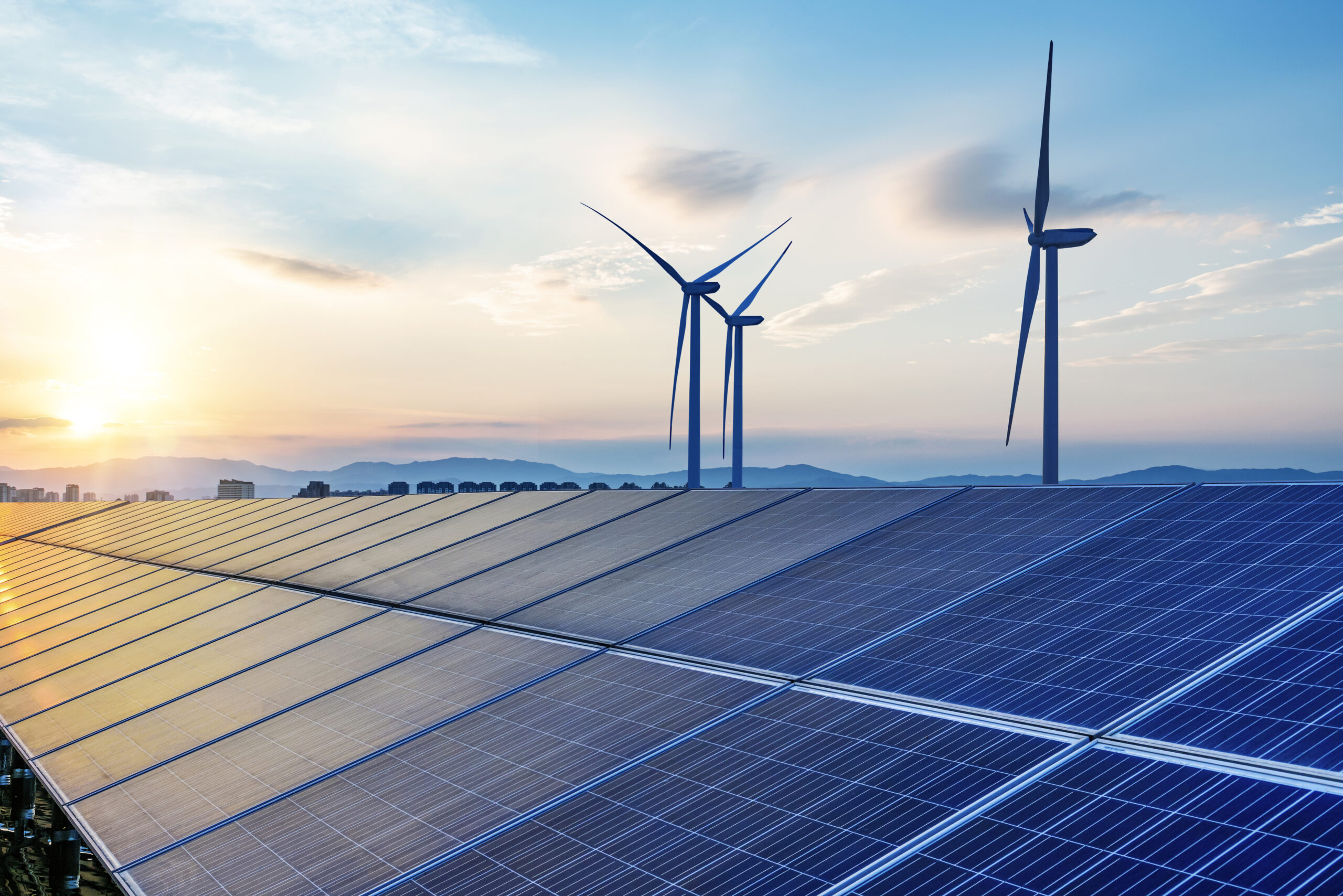
Wind energy in Germany and Europe – driving the energy transition: Wind energy is a cornerstone of European energy and climate policy. It is among the most cost-effective and sustainable forms of electricity generation and makes a decisive contribution to decarbonisation and security of supply in Germany and Europe.
Germany: A leader in onshore wind: With over 72 gigawatts of installed capacity (as of end 2024), Germany is one of Europe’s largest wind energy markets. Around 30,000 wind turbines generate more than 136 terawatt hours of clean electricity annually — approximately 30 percent of Germany’s electricity consumption. This makes wind energy the country’s most important source of electricity, ahead of coal, gas and photovoltaics.
Offshore wind energy is growing particularly dynamically: over 9 gigawatts of installed capacity in the North and Baltic Seas already deliver climate-friendly electricity today. The targets are ambitious: by 2030 this is to reach 30 gigawatts, and by 2045 as much as 70 gigawatts.
Investment and approvals are also picking up. In 2024 alone, over 14 gigawatts of new wind projects were approved — a record that demonstrates how resolutely Germany is driving the expansion forward.
Our commitment at MAR COMMUNICATIONS: Shaping progress: As an agency with deep expertise in wind energy and the environmental economy, we support our clients in realising their projects — with well-founded expertise, strategic communication and a clear eye for political, economic and technological contexts.
Whether local, national or international: we drive wind energy forward — fact-based, solution-oriented and future-proof.
Environmental Economy
Sustainable solutions for a liveable future: In the face of growing ecological challenges and the responsibility we bear towards future generations, the environmental economy is driving innovation forward. As an experienced agency with well-founded expertise, we develop strategies and solutions for recycling, the circular economy and renewable energies — with a particular focus on wind power.
Recycling & circular economy: Sustainable business begins with efficient resource management. We design innovative recycling concepts and improve existing processes along the value chain. Our goal: to keep raw materials in circulation, reduce waste and seize economic as well as ecological opportunities.
Wind energy – the energy of the future: Wind power is a central pillar of the energy transition. We provide support in the planning, communication and public acceptance of wind energy projects — with technical, legal and social know-how. Project developers, operators and public institutions benefit from our consultancy and strategic public relations work.
Our strength: Expertise & network: With a holistic approach, we accompany companies, municipalities and institutions through the ecological transformation. Resource conservation, efficiency gains and CO₂ reduction shape everything we do — from analysis through to the implementation of concrete projects.